
USAID / Tajikistan

Automating Congressional Reporting

AI-supported reporting workflows that reduced drafting burden and improved narrative quality.

Project overview

What this project was built to help with

USAID/Tajikistan's Performance Plan and Report process required high-quality Congressional narratives across complex technical areas, including Global Food Security and Women's Empowerment. The automation workflow converted program evidence into structured draft narratives that aligned with reporting rules, reducing staff burden while preserving review and quality control.
Project story

Reducing reporting burden without losing review quality

USAID/Tajikistan's Congressional reporting process required staff to translate complex program evidence into structured Performance Plan and Report narratives. The topics included areas such as Global Food Security and Women's Empowerment, where narrative quality, alignment with requirements, and review discipline all mattered.

The workflow automated draft narrative generation while keeping the reporting structure and quality criteria in view. It demonstrated that machine learning could reduce administrative workload and improve consistency without removing human review. The result was a major time savings for the Mission and a stronger process for turning program evidence into donor-facing reporting language.

Example deliverables

Concrete outputs or working assets the project produced or supported.

Deliverable 01Automated Performance Plan and Report narrative workflow
Deliverable 02Structured inputs for Global Food Security, Women's Empowerment, and other topics
Deliverable 03Draft narratives aligned to reporting requirements and quality criteria
Deliverable 04Reusable reporting process that saved 1,250 staff hours
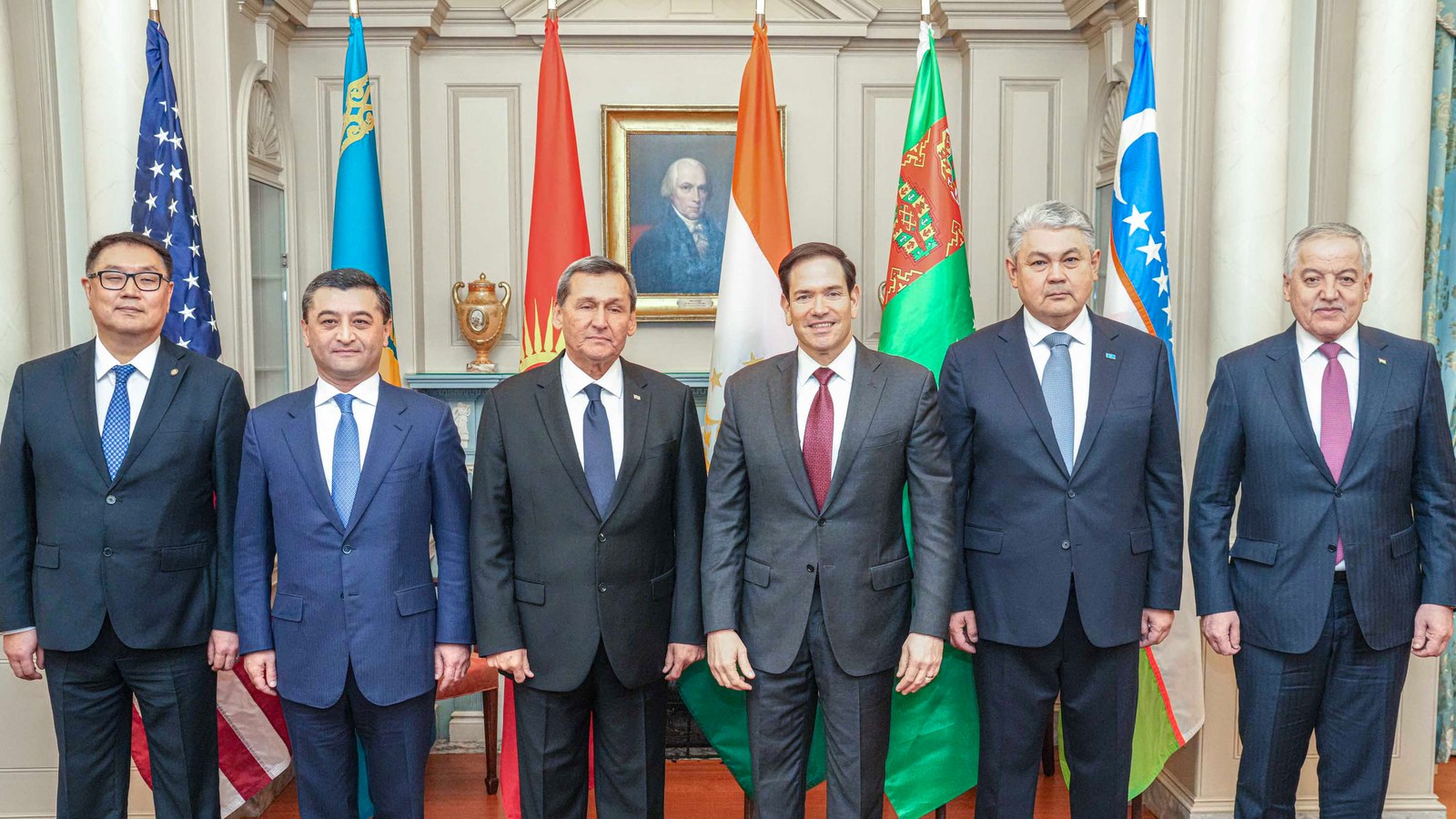
Officials seated at an international development policy meeting

Decision problem

USAID/Tajikistan needed to produce Congressional reporting narratives from complex program evidence across multiple technical areas, including Global Food Security and Women's Empowerment. The challenge was reducing drafting burden while still meeting quality standards, preserving alignment with reporting structures, and keeping human review in place.

What the work involved

1

Structured program evidence and reporting requirements so Performance Plan and Report narratives could be generated from reusable inputs instead of starting from scratch.

2

Designed the drafting workflow to conform to established reporting structures and quality criteria, reducing administrative burden without treating the output as final without review.

3

Supported narrative generation across several reporting topics and helped the Mission reclaim substantial staff time while maintaining consistency and alignment.

Outcome

1,250 staff hours saved and stronger Congressional reporting.

Evidence inputs

What the workflow brings together

Program evidencePerformance reporting inputsNarrative requirementsReview guidance

Review focus

What stays visible for human review

Narrative alignment
Evidence support
Quality control before submission

Talk with us about a similar workflow.

Bring one decision, report, review process, or evidence problem. We will help identify the smallest useful place to begin.

Start the conversationExplore AidInsight
Cookies

We use cookies to enhance your browsing experience on our website. By continuing to use our site, you consent to our use of cookies. For more information, please review our Privacy Policy.