USAID Africa Bureau

Digital Development and Digital Repression Analysis

Structured analysis on how digital development and digital repression shape policy environments.

Project overview

What this project was built to help with

For USAID Africa Bureau, the analysis mapped past digital initiatives in Sub-Saharan Africa and connected them to governance, internet freedom, and civic-space context. A domain-specific model drew from Development Experience Clearinghouse material and external sources such as Freedom House and Afrobarometer to help teams understand USAID's digital footprint and future strategy gaps.

Project story

Mapping digital development in civic-space context

The USAID Africa Bureau work examined digital initiatives across Sub-Saharan Africa in a policy environment where digital development, governance, civic space, and digital repression can interact in complicated ways. A simple inventory of activities would not have been enough; the evidence needed to be interpreted alongside external measures of internet freedom and governance context.

A domain-specific LLM helped analyze USAID digital evidence from the Development Experience Clearinghouse and connect it with sources such as Freedom House and Afrobarometer. The analysis gave teams a clearer view of USAID's digital footprint, where past work supported internet accessibility and freedom, and where future digital strategies needed to address gaps or risks.

Example deliverables

Concrete outputs or working assets the project produced or supported.

Deliverable 01Domain-specific LLM for digital initiative mapping
Deliverable 02Analysis of USAID digital evidence in Sub-Saharan Africa
Deliverable 03Integration of Freedom House and Afrobarometer context
Deliverable 04Findings on digital footprint, internet freedom trends, and future strategy gaps
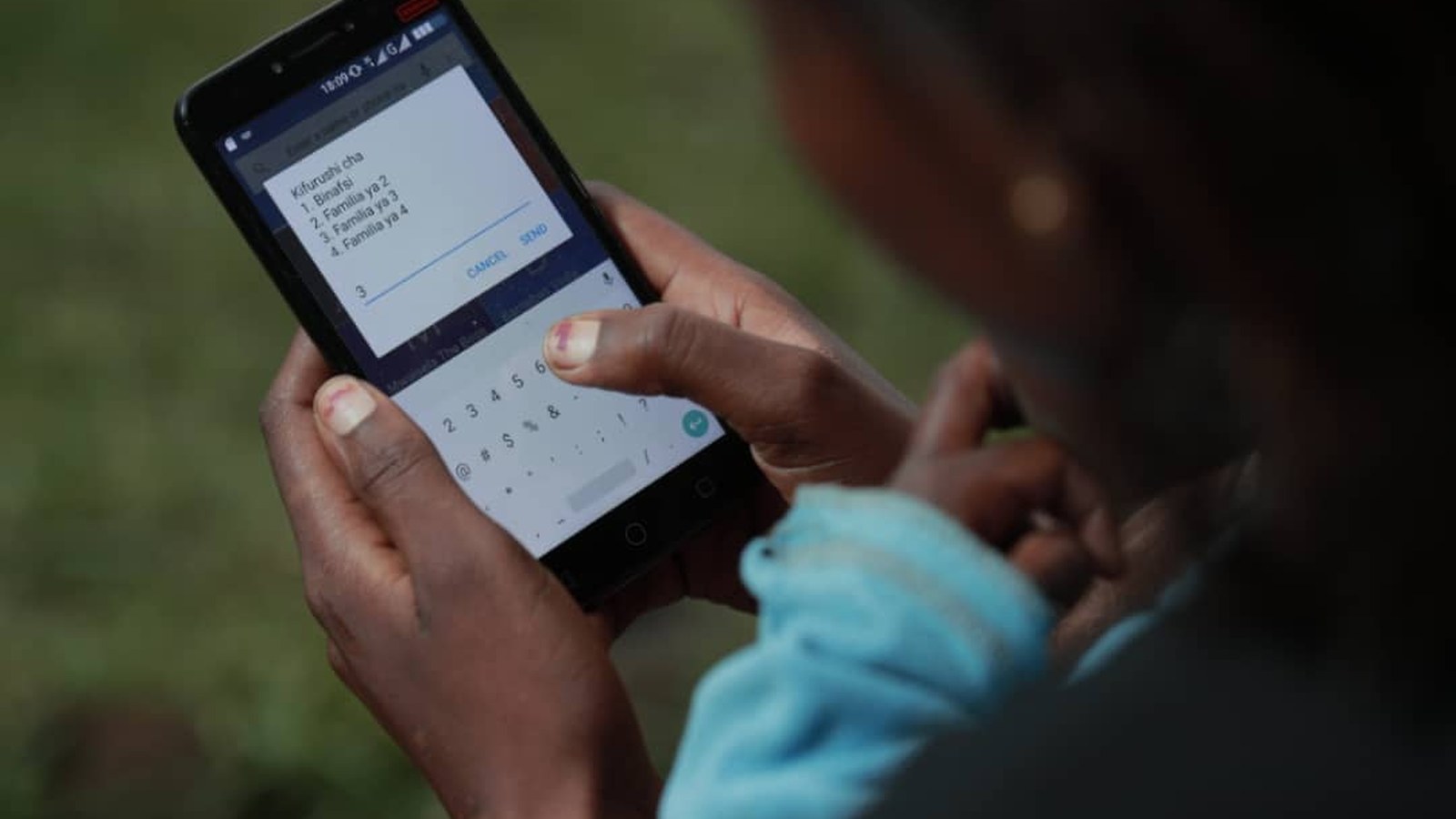
Person using a mobile phone for digital services

Decision problem

USAID Africa Bureau needed to understand how past digital initiatives in Sub-Saharan Africa related to digital development outcomes, internet freedom, governance, civic space, and digital repression. The evidence base was too large for manual review alone and needed to be connected with external indicators and country context.

What the work involved

1

Developed a domain-specific LLM to map and analyze USAID digital initiatives using Development Experience Clearinghouse material and other evidence sources.

2

Connected USAID digital evidence with external sources such as Freedom House and Afrobarometer so teams could interpret digital work alongside internet freedom and governance context.

3

Helped identify patterns, successes, risks, and gaps that could inform future digital strategies in rapidly changing policy environments.

Outcome

Clearer evidence for digital policy and governance decisions across African contexts.

Evidence inputs

What the workflow brings together

Digital policy evidenceGovernance analysisCivic-space signalsTechnology adoption context

Review focus

What stays visible for human review

Context sensitivity
Risk framing
Policy relevance

Talk with us about a similar workflow.

Bring one decision, report, review process, or evidence problem. We will help identify the smallest useful place to begin.

Start the conversationExplore AidInsight
Cookies

We use cookies to enhance your browsing experience on our website. By continuing to use our site, you consent to our use of cookies. For more information, please review our Privacy Policy.