
Chemonics / FEWS NET 7

Labor Dynamics Early Warning in Urban Lebanon

An early-warning frame for interpreting labor and urban vulnerability signals.

Project overview

What this project was built to help with

The Lebanon labor project examined casual, daily, and informal work in urban areas, especially among locally poor households. Public evidence from the previous decade was turned into a taxonomy, DELLM extraction workflow, qualitative panel dataset, and decision-support dashboards with statistics, trends, lessons learned, and recommendations.

Project story

A structured evidence base for urban labor dynamics

The FEWS NET 7 Lebanon work focused on casual, daily, and informal labor in urban areas, especially among locally poor households. The source base included academic articles, grey literature, intergovernmental and government reports, and NGO materials from the previous decade.

The project built a taxonomy for labor dynamics, then trained DELLM to extract relevant qualitative excerpts and label them against that structure. Those excerpts were standardized into a panel dataset and translated into dashboards that show labor categories, target populations, seasonal variation, lessons learned, trends, and recommendations for future analysis and decision support.

Example deliverables

Concrete outputs or working assets the project produced or supported.

Deliverable 01Work plan and data architecture for labor dynamics in Lebanon
Deliverable 02Taxonomy covering casual, daily, informal, seasonal, formal, and self-employment categories
Deliverable 03DELLM extraction workflow and qualitative panel dataset
Deliverable 04Dashboards and presentation of findings, trends, lessons, and recommendations
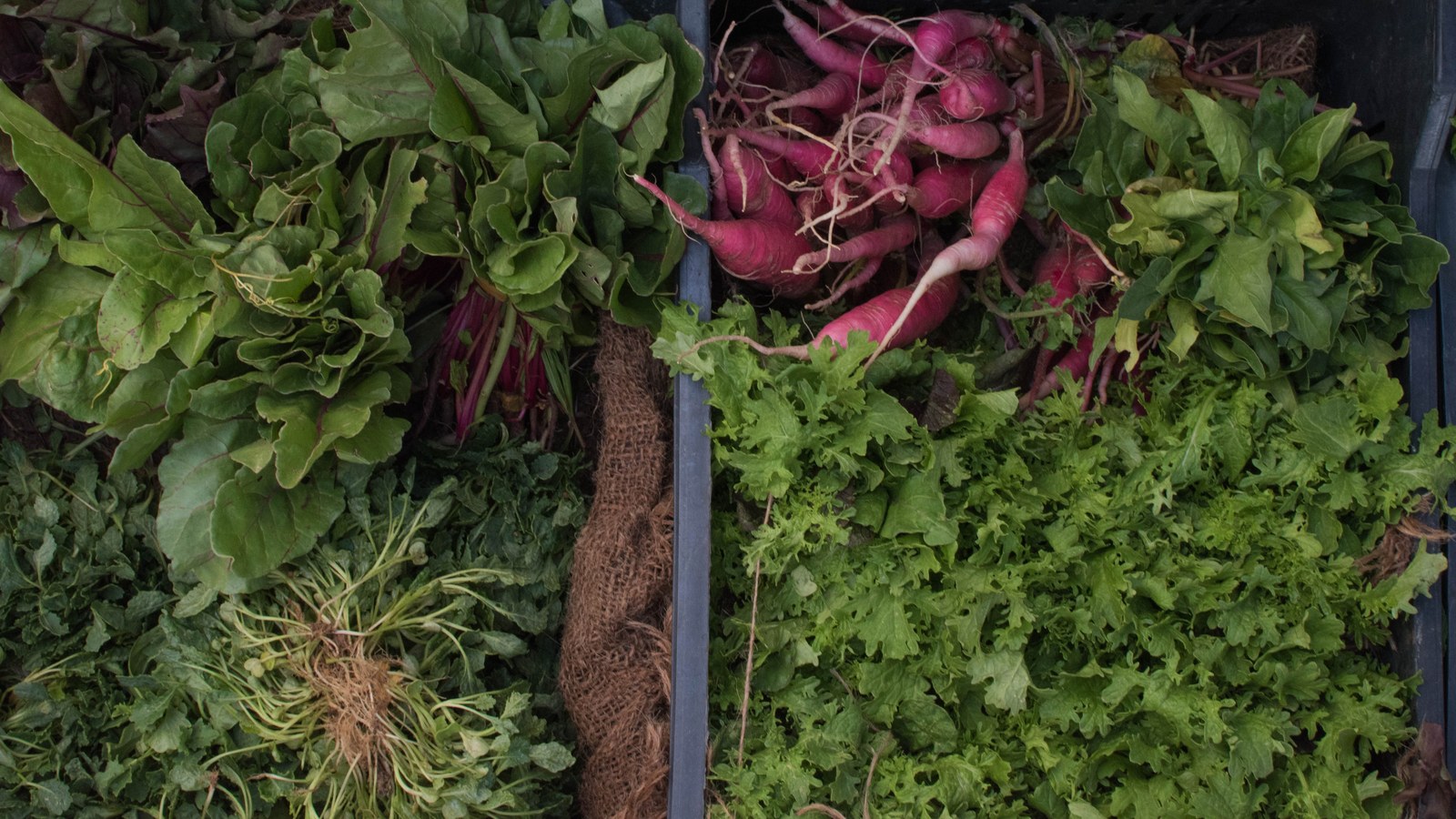
Urban market scene representing livelihoods and labor dynamics

Decision problem

Chemonics and FEWS NET 7 needed a clearer evidence base on casual, daily, and informal labor in urban Lebanon, especially among locally poor households. The work had to draw from public evidence over the prior decade and turn scattered labor-market information into analysis that could inform early warning and future decision support.

What the work involved

1

Built a taxonomy for labor dynamics in Lebanon, including categories such as formal employment, informal labor markets, seasonal work, self-employment, casual labor, and daily labor.

2

Trained DELLM to extract relevant excerpts from academic articles, grey literature, intergovernmental and government reports, and NGO materials from the previous decade.

3

Standardized qualitative excerpts into a panel dataset and created dashboards showing labor categories, target populations, seasonal variation, lessons learned, trends, and actionable recommendations.

Outcome

Sharper interpretation of urban livelihood risks for early warning and response planning.

Evidence inputs

What the workflow brings together

Labor-market signalsUrban vulnerability dataLivelihood contextEarly-warning indicators

Review focus

What stays visible for human review

Signal interpretation
Context fit
Response relevance

Talk with us about a similar workflow.

Bring one decision, report, review process, or evidence problem. We will help identify the smallest useful place to begin.

Start the conversationExplore AidInsight
Cookies

We use cookies to enhance your browsing experience on our website. By continuing to use our site, you consent to our use of cookies. For more information, please review our Privacy Policy.