
World Food Programme

Operational Analytics for WFP

A custom internal algorithm for procurement, logistics, and program-performance decisions.

Project overview

What this project was built to help with

WFP's operational records held valuable signals across procurement, logistics, and program performance, but they were fragmented across systems and processes. The custom internal algorithm structured those records so decision-makers could identify bottlenecks, compare performance, and connect delivery choices to program results.
Project story

Turning operational records into decision intelligence

WFP's operational data carried information about procurement, logistics, delivery, and program performance, but the records were fragmented across different processes. That made it harder for decision-makers to see where bottlenecks were forming or how operational choices were connected to results.

The custom internal algorithm structured those records into an analytical workflow that could support comparison and review. Instead of asking teams to interpret isolated data extracts, the system helped them identify bottlenecks, compare performance across operational areas, and use institutional data as a practical input into procurement, logistics, and delivery decisions.

Example deliverables

Concrete outputs or working assets the project produced or supported.

Deliverable 01Custom internal algorithm for procurement, logistics, and performance data
Deliverable 02Structured operational records for cross-process comparison
Deliverable 03Bottleneck identification and performance review logic
Deliverable 04Decision support connecting delivery choices to program results
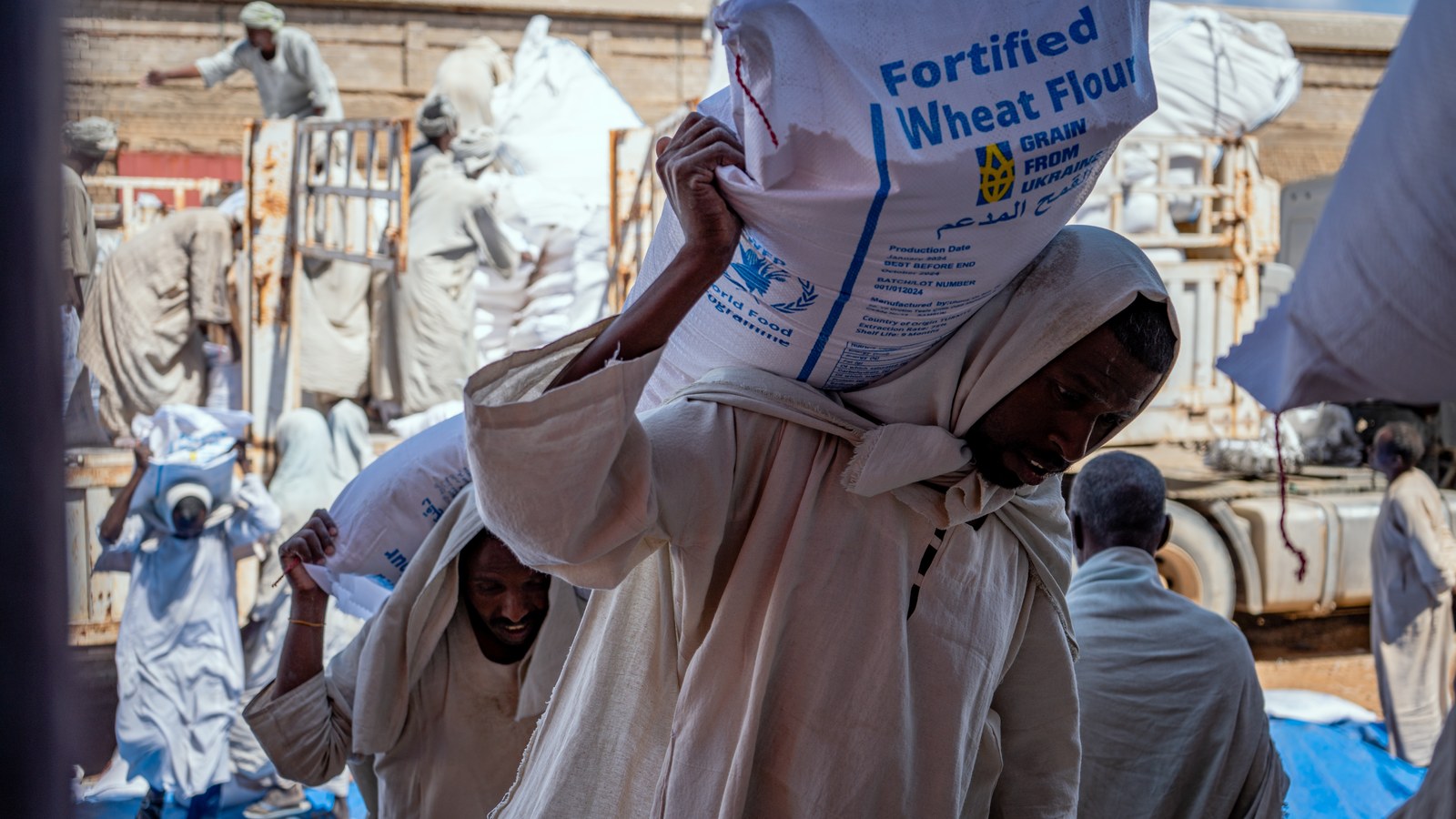
Humanitarian logistics workers loading food assistance supplies

Decision problem

WFP operational teams need to interpret procurement, logistics, delivery, and program-performance records that often live in separate systems and formats. Without a shared analytical frame, it is difficult to identify bottlenecks, compare performance, and connect operational choices to program results.

What the work involved

1

Developed a custom internal algorithm to structure fragmented procurement, logistics, and program-performance records into a more usable analytical workflow.

2

Helped teams compare patterns across operational data so they could identify bottlenecks and understand where delivery processes were slowing down or underperforming.

3

Connected delivery choices to program results in a form decision-makers could review, turning institutional records into operational intelligence rather than static reporting data.

Outcome

Stronger operational intelligence across procurement, logistics, and delivery.

Evidence inputs

What the workflow brings together

Procurement recordsLogistics dataProgram-performance indicatorsOperational delivery records

Review focus

What stays visible for human review

Data completeness
Comparable performance measures
Operational tradeoffs

Talk with us about a similar workflow.

Bring one decision, report, review process, or evidence problem. We will help identify the smallest useful place to begin.

Start the conversationExplore AidInsight
Cookies

We use cookies to enhance your browsing experience on our website. By continuing to use our site, you consent to our use of cookies. For more information, please review our Privacy Policy.