GOAL

Shock-Responsive Health System Planning

A predictive planning system for drought risk, facility readiness, and continuity of care.

Project overview

What this project was built to help with

For GOAL, the work connects health facility data, climate signals, and supply-chain records so country teams can anticipate where drought may disrupt care. The planning system gives earlier visibility into facility readiness, access constraints, and maternal and child health continuity, helping teams decide where resources should move before shocks become service failures.
Project story

Earlier warning for health service continuity

GOAL's planning problem sits at the intersection of climate risk and health-system operations. Drought can affect facilities, supply chains, displacement patterns, and household access to care before those disruptions are fully visible in standard reporting. The system brings together facility data, climate signals, and supply-chain records so country teams can see risk earlier.

The project turns those signals into planning intelligence rather than a static dashboard. Teams can use the outputs to think through which facilities may become stressed, which services may need protection, and where resources should move first. The emphasis is on maternal and child health continuity, so risk forecasting is tied directly to decisions teams can take before a shock becomes a service failure.

Example deliverables

Concrete outputs or working assets the project produced or supported.

Deliverable 01Predictive analytics workflow for drought-prone health-system settings
Deliverable 02Integrated facility, climate, and supply-chain data structure
Deliverable 03Resource-planning views for country teams
Deliverable 04Decision support focused on maternal and child health continuity
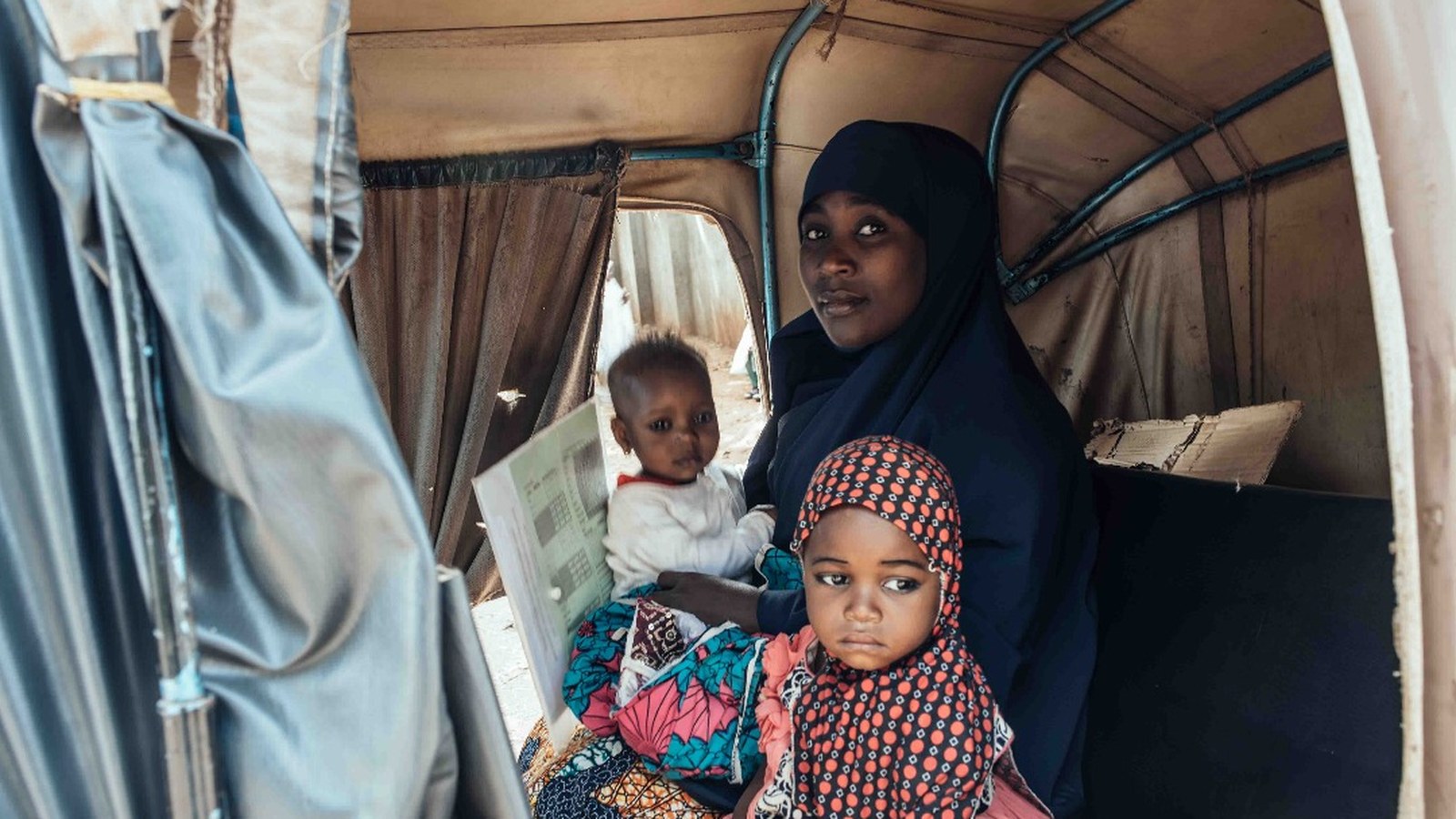
Health worker supporting a family in a drought-affected setting

Decision problem

GOAL teams need earlier warning of how drought shocks may affect facility readiness, service access, supply availability, displacement, and continuity of maternal and child health care. The core problem is not only predicting risk, but translating risk signals into resource-allocation choices before services are disrupted.

What the work involved

1

Connected health facility data, climate and drought signals, and supply-chain records in one predictive planning workflow for drought-prone regions.

2

Structured outputs around the questions country teams need to answer: which facilities may be exposed, which services may be affected, and where resources should move first.

3

Focused the model on practical preparedness decisions so teams can act before shocks hit and protect maternal and child health service continuity.

Outcome

Earlier, more precise resource planning to protect maternal and child health services during drought shocks.

Evidence inputs

What the workflow brings together

Health facility dataClimate and drought signalsSupply-chain recordsService access indicators

Review focus

What stays visible for human review

Operational relevance
Timeliness of signals
Limits of predictive planning

Talk with us about a similar workflow.

Bring one decision, report, review process, or evidence problem. We will help identify the smallest useful place to begin.

Start the conversationExplore AidInsight
Cookies

We use cookies to enhance your browsing experience on our website. By continuing to use our site, you consent to our use of cookies. For more information, please review our Privacy Policy.